I think my record for cooking from a 12V 100Ah battery involves using a halogen oven. I am not recommending this for Africa as they are too fragile, but maybe some variant might be suitable. 
Category Archives: Uncategorized
Wonderbag, insulation and steam

As part of the Kenya workshop, we took a Wonderbag and demonstrated it with cooking rice. Surprisingly Wonderbag don’t yet have a representative in Kenya although Practical Action have tried a similarly principled product (which we understand is struggling in the market). PA call it a fireless cooker. (And its not a new idea – in UK we used to have the haybox) Read more…
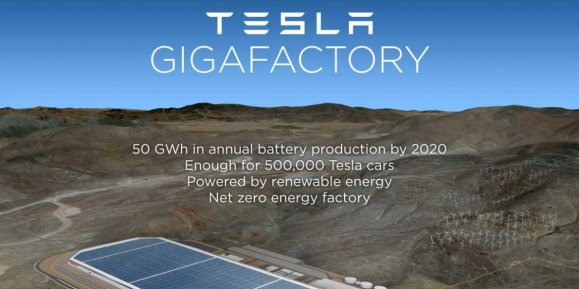
Why Elon Musk will change Africa
I wrote to Elon Musk just now to elicit his support for Solar Electric Cooking. It is of course unlikely he will read my email (sent to his office – I have no direct road in), but no harm in trying to bring it to his visionary attention is there? What I said is immaterial, but after writing it I realised something….
DFID UK Aid reports
DFID UK Aid has invested in evidence based reports on the Solar Electric Cooking idea. They commissioned four reports, three on specific research questions and one on a synthesis report to bring them together. Each report was authored by experts in the subject and peer reviewed by other experts in that field.
The conclusions are favourable to the original proposition, and suggest that further research be undertaken in the build up to 2020 when the proposition becomes economically viable for millions of households currently using biomass for their cooking.
The induction question – ‘yes we can’
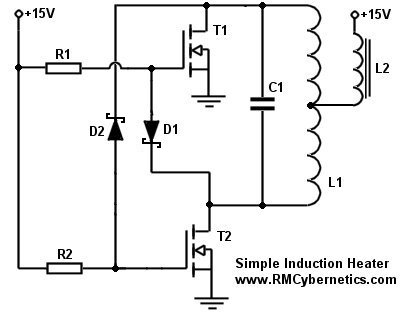
So having written that I was unsure as to whether induction stoves could be made to work with Direct Current, it turns out that internally most induction hob appliances (maybe all? – not sure) convert the AC back into DC!
I disagree with Bill Gates
Woa! Having just published a blog on the benefits of storage as captured in the UK Smart Power report, I came across this blog from Bill Gates.

I dont disagree with the title – it certainly is difficult to store energy; but I do disagree with his maths. He states:-
“This figure is based on the capital cost of a lithium-ion battery amortized over the useful life of the battery. For example, a battery that costs $150 per kilowatt-hour of capacity with a life cycle of 500 charges would, over its lifetime, cost $150 / 500, or $0.30 per kilowatt-hour.” Bill.
I have two difficulties with this, one of which makes his numbers worse and one makes them better. Read more…
Smart Power – Smart Storage
On Friday 4th March 2016, the UK government published an interesting report on ‘Smart Power’ which is relevant to the eCook proposition. This was a review where the the (UK) National Infrastructure Commission was asked to consider how the UK can better balance supply and demand, aiming towards an electricity market where prices are reflective of costs to the overall system. Its findings basically support the idea that adding lots of storage into the system can load smooth the grid – something I felt was important and wrote a paper on how it could be done with eCook.

Part 4 – What do we know about the hardware of the system, and can we increase efficiency and lower costs?
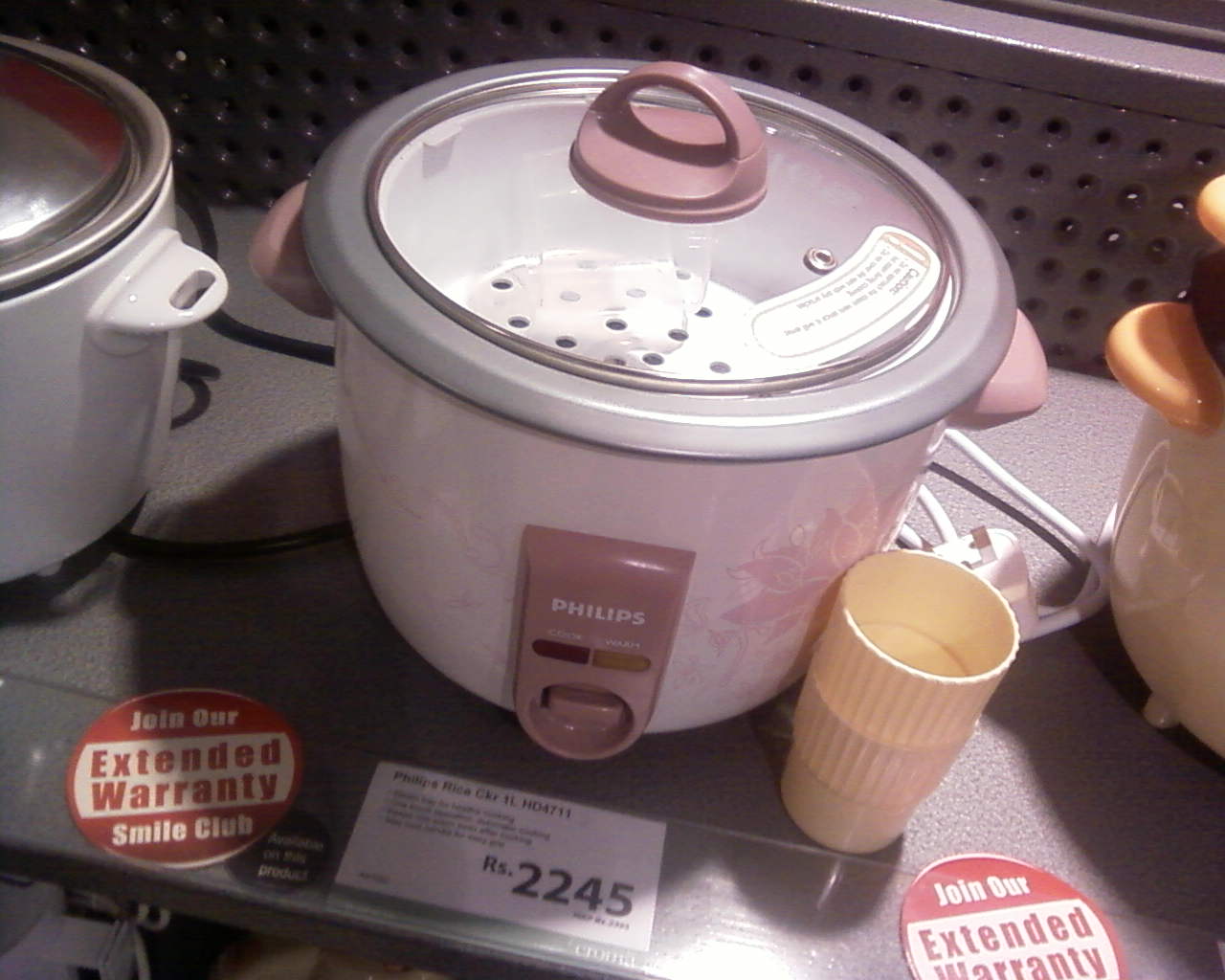 Ovens (enclosed heating devices) – the advantage of an oven is that it is often insulated, so heat loss can be made minimal. The disadvantage is that only certain types of food can be cooked. A hob can in theory boil, fry, simmer. However it cannot bake bread.
We have explored regular low powered ovens, and alternatives like halogen ovens, bread makers, slow cookers and rice cookers. The latter deices tend to have an insulated chamber and electrically heat, generally quite slowly and at low power. Again, colleagues have suggested this would work well with solar reducing the total energy required – indeed even cooking slowly during the day, reducing the need for storage. Read more…
Part 3 – What do we know about the hardware of the system, and can we increase efficiency and lower costs?
 Discharge controller/inverter – now we approach the components that started this blog. Getting the energy out the storage and into the food. To invert or not invert? When we started the first experiments we found that cooking rings at 12V were just not available. We could have commissioned such a ring, but were persuaded by various colleagues to just invert for the moment and use commercially available hobs. Since then we have found 12V heating elements (500W for dumping surplus energy from a solar panel to water), but have not really pursued the non-invertion option.
Part 2 – What do we know about the hardware of the system, and can we increase efficiency and lower costs?
 Batteries (energy storage) – Ok, so I could write a lot about this. Batteries and their changing chemistries and emerging opportunities, and reduction in price were recently the subject of a report by Slade (2015) as a part of the DFID evidence based checking of this proposition. There will be many and myriad opportunities for choosing the right chemistry, the right configuration, the right lifetime/price point.
 Solar Electric Cooking